A Dentist Explains Why You Should Stop Chewing Ice
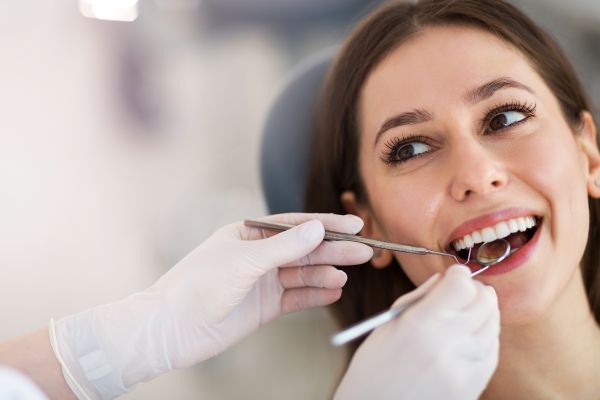
When you visit the dentist, you will probably get suggestions on which habits to adopt or avoid. Chewing ice is one of those habits we cultivate unintentionally. Everyone has perhaps crunched through an ice cube or two while downing their favorite cold beverage, but not everyone gets addicted to this practice. If you have an addiction, you may find yourself chewing through a few cups of ice every day, just to satisfy your cravings.
The ice chewing addiction
People chew ice for different reasons — to relieve a dry mouth or stress, to quit cigarette smoking, to stop boredom or to reduce food intake to lose weight.
Habitual ice chewers treat ice like a smoker treats cigarettes. They have their favorite spots for getting ice, and they may often be found scraping the buildups in freezers to meet their demand.
If you are an ice enthusiast, you would probably find the act calming, aside from the crunching noise that your roommate or close friends may find annoying. The sad fact is that chewing ice could be a sign of an underlying health condition and could cause severe damage to your teeth and gums.
The dangers of chewing ice
Although the teeth are made of the hardest material in the body, they are highly brittle when exposed to forces such as ice chewing. Compare the tooth with a porcelain plate — it is hard, but look carefully, and you may notice a series of small fractures across its surface. This is what may happen to your teeth as a result of repeated ice chewing.
The fractures may not be noticeable, but under high magnification and lights, all the tiny fractures across the enamel will be visible. Luckily, the tooth has underlying and supporting tissues and structures to spread out the force generated by the chewing pressure. However, when the resilience of the enamel is strained, you may end up chipping a piece of the tooth, or worse, cause a big fracture that is irreparable.
Even if you are not an ice addict, it will take only a bite with the right force and angle to break your tooth. Although a dentist can repair the tooth with filling material or crowns (for significant damages), some breaks are so bad, they could cause a fracture right down to the tooth root. If this happens, the tooth will need to be removed.
Ice munching will not harm your health like other addictions. However, the potential of dental damage is limitless — cracked or chipped teeth, injuries to tooth enamel, damages to dental restorations such as crowns and fillings and sore jaw muscles. Your teeth may also become highly sensitive to cold or hot foods or drinks, and you will be at a higher risk of cavities.
The bottom line: Stop chewing ice
Visit the dentist if you find ice chewing compulsively. They will perform a screening to see if you have anemia or other health condition that may be causing the cravings. Almost every ice addict loses their cravings after getting the right treatment for their medical condition. Before you injure your teeth further, contact your dentist for a consultation today.
Request an appointment here: https://muhlenbergdental.com or call Muhlenberg Dental Associates at (610) 844-9825 for an appointment in our Reading office.
Check out what others are saying about our services on Yelp: Read our Yelp reviews.
Recent Posts
A dental cleaning is the perfect opportunity to catch up with your dentist. Yes really, catch up. Your average dentist loves it when their patients have healthy teeth that need little more than a light scrub. This is why preventative measures like routine checkups are so important.Patients with healthy teeth can spend the bulk of…
An emergency dentist can provide urgent care when an accident causes a tooth to loosen, shift, or come completely out of its socket. A dislodged tooth needs prompt attention because prompt treatment may improve the chance of saving the natural tooth and limit the impact on the gums, jawbone, nearby teeth, and nerves. Our dentist,…
A tooth extraction helps protect oral health, but complications can happen. If severe pain starts a few days after the procedure, a dry socket is typically the primary cause. You need to know what signs to watch for so you can call a dentist before the discomfort becomes unbearable. Early action keeps your recovery on…
A smile makeover offers a fresh start for anyone looking to boost their confidence with a more radiant, balanced appearance. Oftentimes, this transformation involves much more than just a quick fix or a surface-level change. Choosing the right dentist ensures your plan respects the unique anatomy and overall goals.Dream results begin with a healthy foundation…