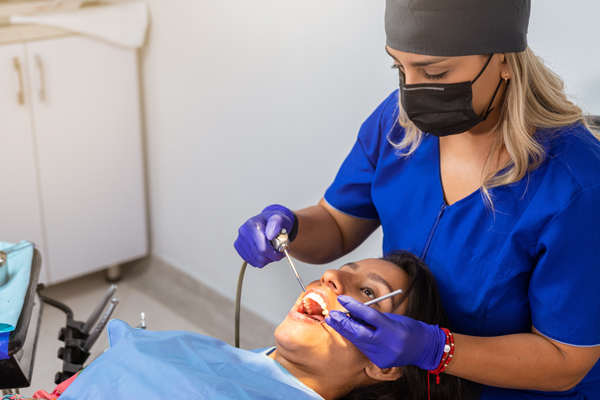
Cavity Treatment and Prevention From a Family Dentist

A family dentist helps protect smiles by managing cavities early and preventing new decay with consistent, practical care for patients of every age. Cavities often progress without obvious pain, so routine exams and professional cleanings play a vital role in identifying problems before discomfort begins. Getting to a dentist keeps treatment simple for the patient.
Why cavities develop in children and adults
Cavities occur when bacteria within plaque produce acids that slowly weaken the protective tooth enamel. Frequent snacking, sugary drinks, and persistent dry mouth increase this risk because the teeth are exposed to acid throughout the day. Still, some are more susceptible to caries due to deep grooves in the molars, orthodontic appliances, or a significant history of decay. Regardless, a family dentist evaluates these specific risk factors and helps create a personalized plan that fits into a busy daily schedule.
How family dentists address tooth decay
The specific treatment for a cavity depends on the extent of the decay within the tooth structure. Early enamel changes often require professional fluoride applications and improved home care to help the enamel strengthen through remineralization. When decay penetrates the enamel into the deeper layers of dentin, a durable filling restores the tooth and prevents the cavity from expanding. Modern fillings use tooth-colored composite materials that blend naturally with the smile and provide comfortable, stable chewing.
When decay becomes more extensive, patients require a more durable restoration to ensure the tooth's long-term survival. A crown reinforces a tooth when large portions exhibit weakness or when the risk of a fracture increases. If the infection reaches the inner nerve tissue, root canal therapy is necessary to remove the infection and relieve the associated pain. The family dentist explains all available options clearly so the patient understands both the immediate solution and the long-term prevention strategy.
The tools family dentists use for identification and protection
The primary preventive tools family dentists use are biannual comprehensive exams and professional cleanings. Comprehensive exams allow for the early detection of weak spots, small cavities, and bite wear that contribute to enamel failure. These exams usually involve digital X-rays to help uncover decay between the teeth that remains invisible during a standard visual examination. Professional cleanings, on the other hand, remove the plaque and hardened tartar that home care alone cannot fully eliminate from the gumline. Consistent visits to the office help prevent small, manageable issues from becoming painful and expensive dental problems later.
Fluoride and dental sealants provide an essential layer of extra protection for many patients. Fluoride strengthens the enamel surface and helps it resist future acid attacks, especially for children and adults with a higher risk of decay. Sealants protect the deep grooves of the back molars by creating a smooth, physical barrier that blocks bacteria and food particles. A family dentist recommends these preventive tools based on the specific age, dental history, and unique tooth anatomy of the individual.
Schedule an appointment
Tooth decay is a common challenge, but it remains both preventable and treatable with a proactive approach to oral health. Our family dentist promotes early detection and personalized prevention strategies for patients in and around the Reading area. If you believe you have a cavity, contact Muhlenberg Dental Associates to schedule an appointment or learn more about prevention tips.
Request an appointment here: https://muhlenbergdental.com or call Muhlenberg Dental Associates at (610) 844-9825 for an appointment in our Reading office.
Check out what others are saying about our dental services on Yelp: Family Dentist in Reading, PA.
Recent Posts
Wondering what a family dentist has to offer? Read on to learn more. Sometimes the whole family needs to undergo routine dental procedures. Visiting the family dentist’s office at least two times each year may lower the risk of severe dental health issues including gum disease and tooth decay. The dental professional can provide preventive,…
Preventing dental problems by visiting a family dentist is the most effective way to maintain optimal oral health for all patients, young and old. With the help of a qualified family dentist, preventative care allows for early detection and treatment of oral issues. Naturally, patients need to play their parts at home, but a qualified…
Cavities in adults and children are inevitable, but they are easy for a family dentist to treat if prevention does not work. All dentists are trained to help patients avoid cavities by cleaning teeth and gums and offering advice on oral care. If a cavity forms, the dentist can remove the damaged tooth material and…
Looking for a new family dentist in your area? Since there are different types of dentists to choose from nowadays, choosing the right one is important. Ready to learn more about the benefits of choosing a family dentist?Considering choosing a family dentist in Reading? People choose family dentists to provide them with the dental care…