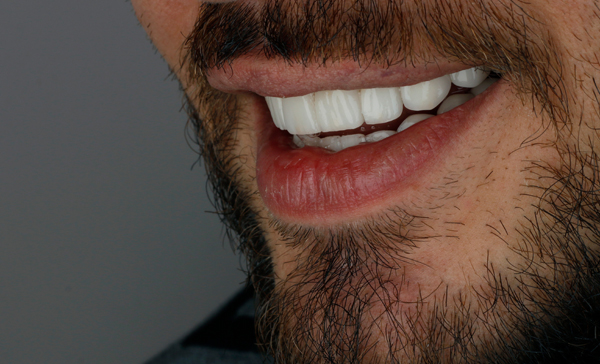
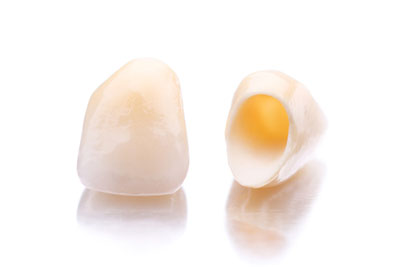
A dental crown is also called a dental cap, or just a cap for short since they are prosthetics that we mold to fit your teeth. These crowns will fit your teeth perfectly and provide a covering over the damaged enamel. Sometimes, dental crowns will fit just over the top portion of your teeth, and at other times, they will replace the entire tooth and fuse with a dental implant to give you a brand new tooth. When covering the tooth with a cap is the best option for the overall health of the mouth, we turn to the dental crown.
What are dental crowns used for?
There are a number of uses for a dental crown besides repairing damaged teeth. We will begin to consider dental crowns as a solution when the tooth is so far broken down, a normal filling can no longer hold the tooth together and prevent decay. If the tooth fractures or the crack is so deep, the tooth literally needs to be held together, we will then use dental crowns.
In addition to this restorative work, dental crowns can also act as a complete replacement for missing teeth. We can easily fabricate a full dental crown and attach it to the abutment of a dental implant. Since we can use any number of materials, we can make the dental crowns appear extremely realistic to the point where no one will be able to tell that there is a fake tooth.
How are dental crowns attached or placed?
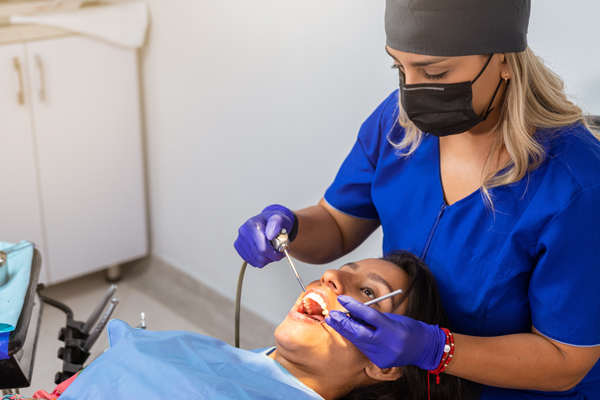
Most times, it takes two appointments to place dental crowns. One important thing to remember is that dental crowns are a permanent prosthetic, meaning an individual cannot take them out like dentures. We will first file down the teeth to remove any defects or decay and to make room for the dental crowns. Then we will measure the teeth and take detailed imprints to help manufacture the dental crowns.
At the end of this first visit, we will place temporary crowns over the shaved teeth and set your next appointment. At the next appointment, we will attach your permanent crowns and cement them into place once we have a perfect fit.
A loose dental crown can make chewing feel awkward and leave the tooth underneath more exposed to damage. Because a dental crown covers and protects a weakened or treated tooth, it is important to address movement as soon as possible. Even if the crown has not fallen off, a loose fit may allow bacteria, food…
Curious about dental crowns? Read on to learn more about this type of restoration. If a dentist determines that you need a dental crown, there are several reasons why they may make that suggestion. A crown is a common dental restoration to cover and protect a tooth with compromised structural integrity. Their natural appearance and…
If you are considering getting a dental crown, you might want to know how many appointments the procedure will require. The good news is, depending on the process, you might not have to wait that long. Usually, it takes two visits. Keep reading to learn more about what you can expect.The process of getting a…
If you're looking to give your smile an instant facelift, then dental crowns are just what you need. These caps of porcelain, metal or another durable material can be placed on the tops of teeth to instantly whiten them and fill in small chips or cracks that detract from the appearance of your smile. If…
A dental cleaning is the perfect opportunity to catch up with your dentist. Yes really, catch up. Your average dentist loves it when their patients have healthy teeth that need little more than a light scrub. This is why preventative measures like routine checkups are so important.Patients with healthy teeth can spend the bulk of…
An emergency dentist can provide urgent care when an accident causes a tooth to loosen, shift, or come completely out of its socket. A dislodged tooth needs prompt attention because prompt treatment may improve the chance of saving the natural tooth and limit the impact on the gums, jawbone, nearby teeth, and nerves. Our dentist,…
 What are