Signs You Need Treatment from our Orthodontics Office
There are many reasons for patients to receive treatment from our Reading orthodontics office. Some of the most common examples of needs for treatment that may help you determine if you need to visit are listed below.
Signs you may need orthodontics treatment
Crowding Teeth:
Crowding teeth represent one of the most common needs for orthodontics in Indiana Wells. Crowding teeth can be so close together that one cannot floss, or they can even be overlapping. Crowding causes problems with brushing and flossing, and it often leads to poor oral hygiene care because people become frustrated with the chore it is to clean them.
Crowding typically occurs due to insufficient space in the jawbone for teeth. Receiving orthodontics can move the teeth into a less crowded alignment, so they look more attractive and are easier to care for.
Crooked Teeth:
Crooked teeth are unsightly and can have a negative effect on an otherwise attractive face. Like crowding, crooked teeth can cause problems with oral care. With proper orthodontics treatment, the teeth can be straighter, more attractive, and cleaner.
Patients can avoid financial burdens in the future due to excessive dental cavities if one receives straightening treatment from our orthodontics office.
Gapped Teeth:
Teeth with gaps and spacing problems are normally caused by missing teeth or by too much room in the jaw for teeth. Normally gapped teeth are only an aesthetic issue. If patients feel gapping or spacing is hindering the beauty of one's smile, they can visit us for an evaluation.
Open Bite:
Open bites commonly occur due to excessive thumb sucking during tooth development. If an open bite is present, it is important to start treatment as early as possible for it to have the fastest and most effective results. Open bites can cause trouble chewing foods thoroughly and may increase the likelihood of having dry lips. In cases of bite problems, treatment from our orthodontics office may require braces and an additional appliance called a crib.
Overbite:
If a patient has an overbite, then he or she may notice the upper front teeth extend out over the lower front teeth in an unattractive or noticeable fashion. Overbites can be uncomfortable, causing mouth sores and limiting the ability to smile correctly. If one has an overbite, then one may feel like he or she has a gummy smile or protruding lips.
Underbite:
Underbites are distinguishable by the extension of the lower jaw and lower teeth past the upper front teeth. All bite problems may cause excessive wear on certain teeth and need to be corrected with treatment from our orthodontics office to extend the life of the teeth and avoid the need for several restorations in the future.
All of these examples for the need for treatment from our orthodontics office can cause detrimental damage to your healthy teeth in addition to affecting your smile and confidence. There are many other needs for orthodontics treatment in addition to these as well.
To learn more about receiving treatment, visit our Reading office for an evaluation and examination.
A dental cleaning is the perfect opportunity to catch up with your dentist. Yes really, catch up. Your average dentist loves it when their patients have healthy teeth that need little more than a light scrub. This is why preventative measures like routine checkups are so important.Patients with healthy teeth can spend the bulk of…
An emergency dentist can provide urgent care when an accident causes a tooth to loosen, shift, or come completely out of its socket. A dislodged tooth needs prompt attention because prompt treatment may improve the chance of saving the natural tooth and limit the impact on the gums, jawbone, nearby teeth, and nerves. Our dentist,…
A tooth extraction helps protect oral health, but complications can happen. If severe pain starts a few days after the procedure, a dry socket is typically the primary cause. You need to know what signs to watch for so you can call a dentist before the discomfort becomes unbearable. Early action keeps your recovery on…
A smile makeover offers a fresh start for anyone looking to boost their confidence with a more radiant, balanced appearance. Oftentimes, this transformation involves much more than just a quick fix or a surface-level change. Choosing the right dentist ensures your plan respects the unique anatomy and overall goals.Dream results begin with a healthy foundation…
A dental cleaning is the perfect opportunity to catch up with your dentist. Yes really, catch up. Your average dentist loves it when their patients have healthy teeth that need little more than a light scrub. This is why preventative measures like routine checkups are so important.Patients with healthy teeth can spend the bulk of…
An emergency dentist can provide urgent care when an accident causes a tooth to loosen, shift, or come completely out of its socket. A dislodged tooth needs prompt attention because prompt treatment may improve the chance of saving the natural tooth and limit the impact on the gums, jawbone, nearby teeth, and nerves. Our dentist,…
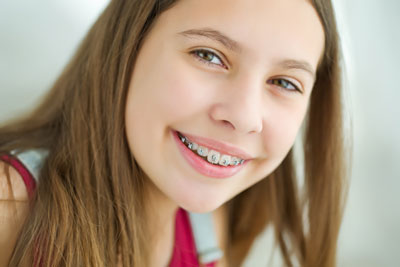 There are many reasons for patients to receive treatment from our Reading