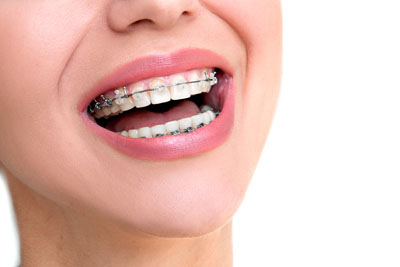
When you visit our Reading office for dental braces you are coming in to get your teeth straightened. Most of the patients we treat have a condition known as malocclusion. For many this visit has become almost a rite of passage as teenagers or younger children make the journey to getting straighter teeth. While it is true that throughout history there has been some kind of braces, it is also true that never before have we had the range of options or the ability to make you as comfortable as we can today.
Straighten your teeth for a better smile today
As a clinic that specializes in dental braces, we can actually work with the patient to ensure that the experience is far different from the old mouth full of metal for braces treatment. Additionally, with improvements in technology, braces can fix an entire range of problems.
A good example of this is people with an overbite or an underbite. With an overbite, the patient has a condition where the jawbone was extremely large, causing the teeth on the top to jut out further than the bottom teeth when closing the mouth. In an under-bite situation, it is the lower jaw that is too large. In either case, left untreated these can lead to weakness in the teeth, problems with eating and tooth loss, and even some challenges with vocabulary and enunciation. The good news is that we can now fix these with braces.
When one gets dental braces, we will work to make sure that the patient has straight and healthy teeth. The largest challenge we typically face comes in the form of something we have virtually no control over, a patient's oral hygiene. Once we install braces, patients will need to be extra cautious about oral hygiene. Braces tend to attract tiny particles of food which stick between the braces and the teeth. If left unattended, the food particles can cause a buildup of plaque or lead to bad breath, gum swelling, infections, and tooth discoloration. The good news is that with a little care, and planning, patients can ensure the teeth stay clean and healthy for the duration of the treatment.
Here are a few tips for helping your dental braces stay clean and healthy.
First, you should get used to the idea that it is going to take a little longer to brush your teeth. This occurs because you will need to focus your attention on individual teeth instead of brushing in quadrants. Taking 10 to 15 seconds to brush the individual teeth will ensure that you are brushing all surfaces including behind the teeth or on the tongue side of the mouth.
Most importantly you need to get in the habit of brushing your teeth immediately after meals, which includes snacks, to remove any food residue from the teeth. Doing this will help keep the braces and your teeth clean.
A dental cleaning is the perfect opportunity to catch up with your dentist. Yes really, catch up. Your average dentist loves it when their patients have healthy teeth that need little more than a light scrub. This is why preventative measures like routine checkups are so important.Patients with healthy teeth can spend the bulk of…
An emergency dentist can provide urgent care when an accident causes a tooth to loosen, shift, or come completely out of its socket. A dislodged tooth needs prompt attention because prompt treatment may improve the chance of saving the natural tooth and limit the impact on the gums, jawbone, nearby teeth, and nerves. Our dentist,…
A tooth extraction helps protect oral health, but complications can happen. If severe pain starts a few days after the procedure, a dry socket is typically the primary cause. You need to know what signs to watch for so you can call a dentist before the discomfort becomes unbearable. Early action keeps your recovery on…
A smile makeover offers a fresh start for anyone looking to boost their confidence with a more radiant, balanced appearance. Oftentimes, this transformation involves much more than just a quick fix or a surface-level change. Choosing the right dentist ensures your plan respects the unique anatomy and overall goals.Dream results begin with a healthy foundation…
A dental cleaning is the perfect opportunity to catch up with your dentist. Yes really, catch up. Your average dentist loves it when their patients have healthy teeth that need little more than a light scrub. This is why preventative measures like routine checkups are so important.Patients with healthy teeth can spend the bulk of…
An emergency dentist can provide urgent care when an accident causes a tooth to loosen, shift, or come completely out of its socket. A dislodged tooth needs prompt attention because prompt treatment may improve the chance of saving the natural tooth and limit the impact on the gums, jawbone, nearby teeth, and nerves. Our dentist,…
 When you visit our Reading office for dental